Precision, Follicle by Follicle

Density and natural direction matter just as much as coverage when it comes to a head of hair that reads as entirely your own. An FUE hair transplant offers the level of control you need, moving individual follicles one at a time rather than as a larger strip of tissue. At the Boston Center for Plastic Surgery, Dr. Ashley Lonergan performs this technique for patients seeking natural, gradual density without a visible linear scar.

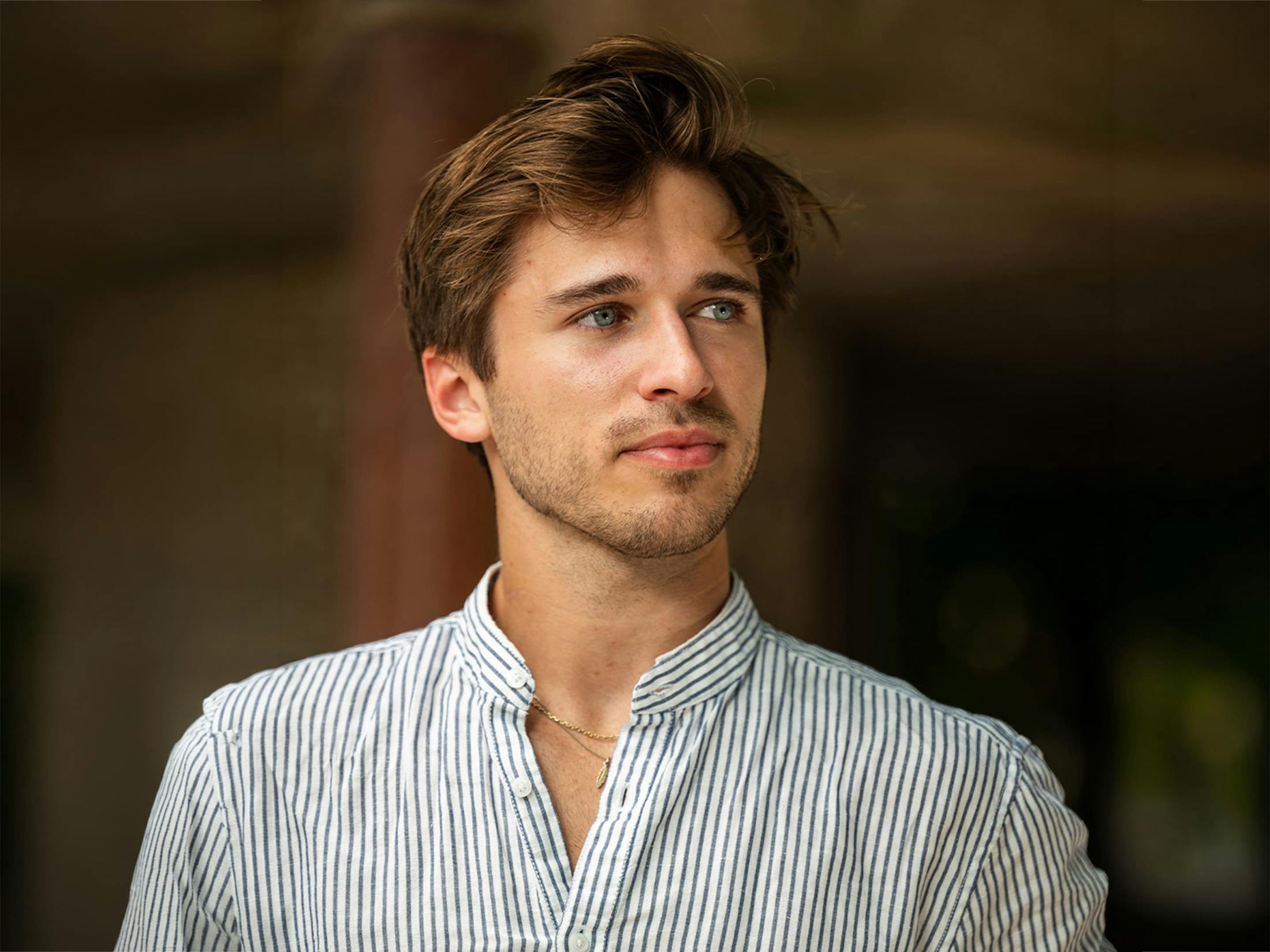
Man smiling

What Is an FUE Hair Transplant?

Follicular unit extraction, known as FUE, removes individual hair follicles from a donor area and transplants them one by one into areas of thinning or loss. Because each follicle is extracted individually rather than as part of a strip, healing tends to leave minimal, scattered, dot-like marks rather than one long scar. While every patient has their own motivations for seeking out a FUE hair transplant in the Boston area, many come to Dr. Lonergan to achieve the following:

  • Minimal, hard-to-detect scarring at the donor site
  • Freedom to wear shorter hairstyles after healing
  • Natural-looking density built around your existing growth pattern
  • A technique suited to smaller, more targeted areas of thinning

Book Your Consultation

Contact Us
Contact us media
Doctor media

The Dr. Lonergan Difference

Successful FUE hair transplants depend on more than moving hair from one place to another. When you choose Dr. Lonergan for your hair restoration, you choose an experience rooted in a deep understanding of how a hairline should sit against your specific facial structure, balancing your features and creating a seamless, natural look. Dr. Lonergan’s extensive training in facial plastic surgery and hair restoration, which includes study at Tufts University, the University of California at Irvine, and the Williams Center for Plastic Surgery, gives her a unique perspective on hair loss treatments. She treats them as integrated procedures, not separate specialties, to ensure comprehensive rejuvenation from your hairline down to your neck.

What to Expect From Your FUE Hair Transplant

Mapping Your Donor and Recipient Areas

Every patient’s journey begins with a one-on-one consultation at Dr. Lonergan’s Wellesley office. There, she’ll assess your donor hair density and the specific areas needing coverage, then map out exactly how many grafts your plan will require. This evaluation will determine whether a single session can meet your goals or if multiple sessions are needed to achieve your desired look.

Designing a Natural Hairline

Dr. Lonergan will design your new hairline based on your natural growth direction, forehead shape, and facial proportion, avoiding a straight or overly uniform edge. Every design is fully customized to your unique face shape, ensuring your results blend seamlessly with your existing hair as it grows in.

Extracting and Placing Individual Follicles

Using a specialized tool, Dr. Lonergan will extract individual follicular units from your donor area and then place each into small incisions at the recipient site. Working one follicle at a time gives her precise control over the hair’s angle, direction, and density throughout the treated area.

Your Surgery Day Experience 

An FUE session can run for several hours, depending on how many grafts your plan requires, though most are completed in a single day. Dr. Lonergan will confirm your specific procedure timeline once your graft count is finalized during your private consultation.

Background media

Gentle, Patient-Centered Recovery

Recovery from an FUE hair transplant typically involves mild redness and scabbing at both the donor and recipient sites for one to two weeks, and all scabbing should fall off naturally. Transplanted follicles will shed within the first few weeks, a normal part of the process before new growth begins. Most of Dr. Lonergan’s patients return to work, gentle movement, and light social settings within a few days, since FUE doesn't require the extended downtime associated with strip harvesting. You’ll need to avoid activities that could irritate the scalp, such as swimming, hot showers, and excessive sun exposure, for at least two weeks to allow your skin to heal.

Your Post-Op Process

After your procedure, Dr. Lonergan will provide you with a recovery plan built around your specific needs. This plan will typically cover the following:

  • Gentle cleansing instructions for the treated areas
  • Headwear guidance
  • Sleep position restrictions
  • Activity limitations during the first one to two weeks
  • Sun exposure and protection protocols
  • Side effects to monitor 

Over the coming weeks, you’ll return to Dr. Lonergan's Wellesley office for short follow-up visits to check your progress. There, she’ll assess your graft integrity, ensure your new hair is growing normally, and approve you for strenuous activity. 

Natural-Looking, Confidence-Boosting Results

Because hair growth is a long, gradual process, your hair transplant results will emerge slowly over several months as transplanted follicles establish new growth. Full density typically becomes visible within 9-12 months, revealing a hairline that looks like it was always yours.

Man smiling | Green leaves

FUE Frequently Asked Questions

How many grafts does a typical FUE session include?

Graft counts vary depending on the size of your treatment area and your restoration goals, typically ranging from several hundred to a few thousand grafts in a single session. Dr. Lonergan will determine the appropriate graft count during your initial consultation by evaluating your scalp and donor hair.

Will FUE work if I have limited donor hair?

FUE depends on having enough healthy donor hair to support your restoration goals. Dr. Lonergan will carefully evaluate your donor supply before recommending this approach. In some cases, a combination treatment may be better suited to patients with limited donor availability.

Is FUE more expensive than FUT?

FUE often costs more per graft than FUT because individual follicular units are extracted one at a time, which can require more time. Your total cost will depend on the number of grafts needed for your treatment plan. Dr. Lonergan will provide a specific estimate during your consultation.

Can FUE be used to fill in a beard or eyebrows?

Yes. FUE's individual follicle approach makes it well suited for smaller, detailed areas such as the beard or eyebrows. You and Dr. Lonergan can discuss whether this application is appropriate for your specific restoration goals during your consultation.

Book a Consultation Refined Results, Natural Beauty

Unlock your most confident self with aesthetic care by Dr. Lonergan. Contact her Boston office today to begin your journey.

Contact Us
Accessibility: If you are vision-impaired or have some other impairment covered by the Americans with Disabilities Act or a similar law, and you wish to discuss potential accommodations related to using this website, please contact our Accessibility Manager at 617-735-8735.
Contact Us